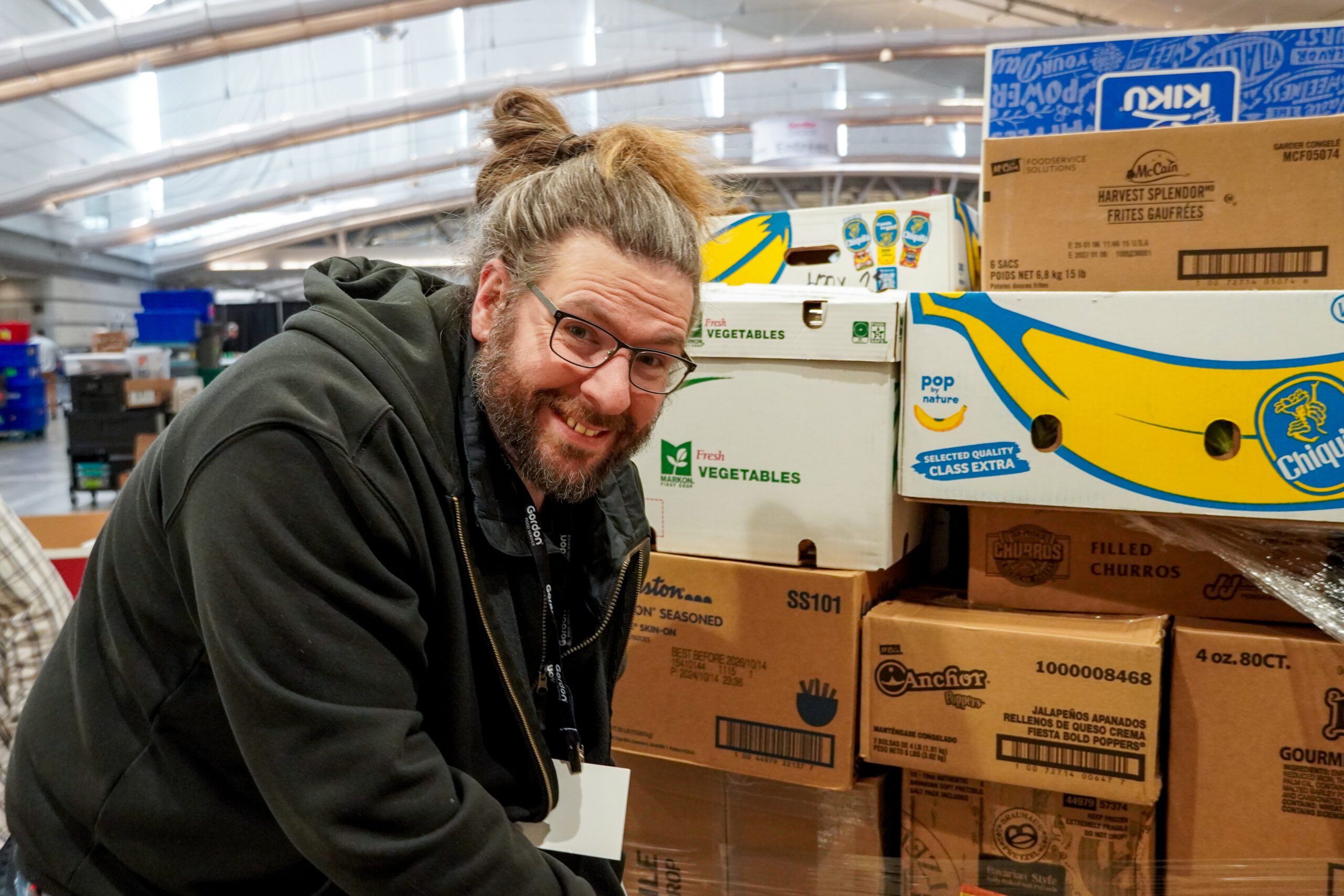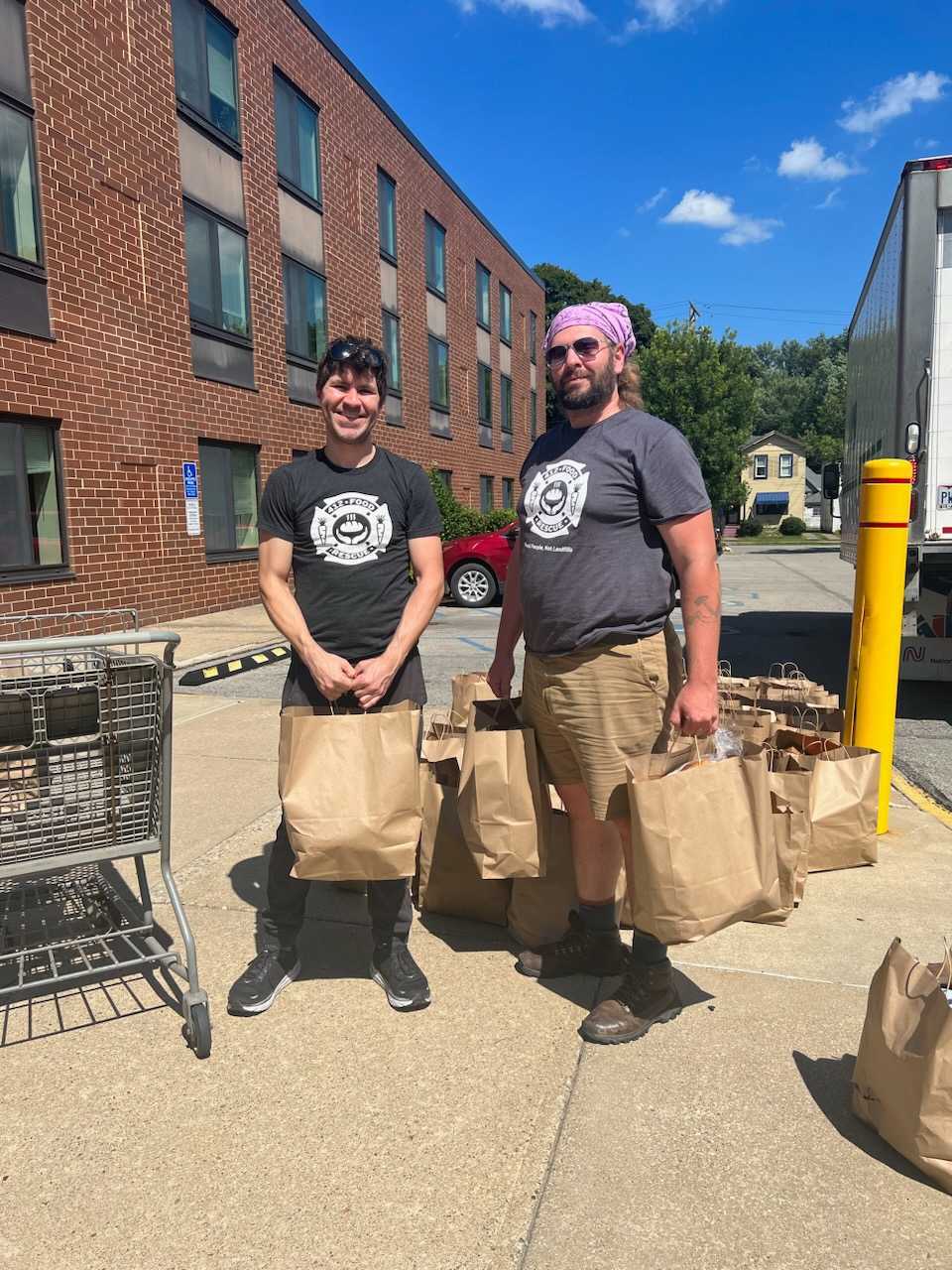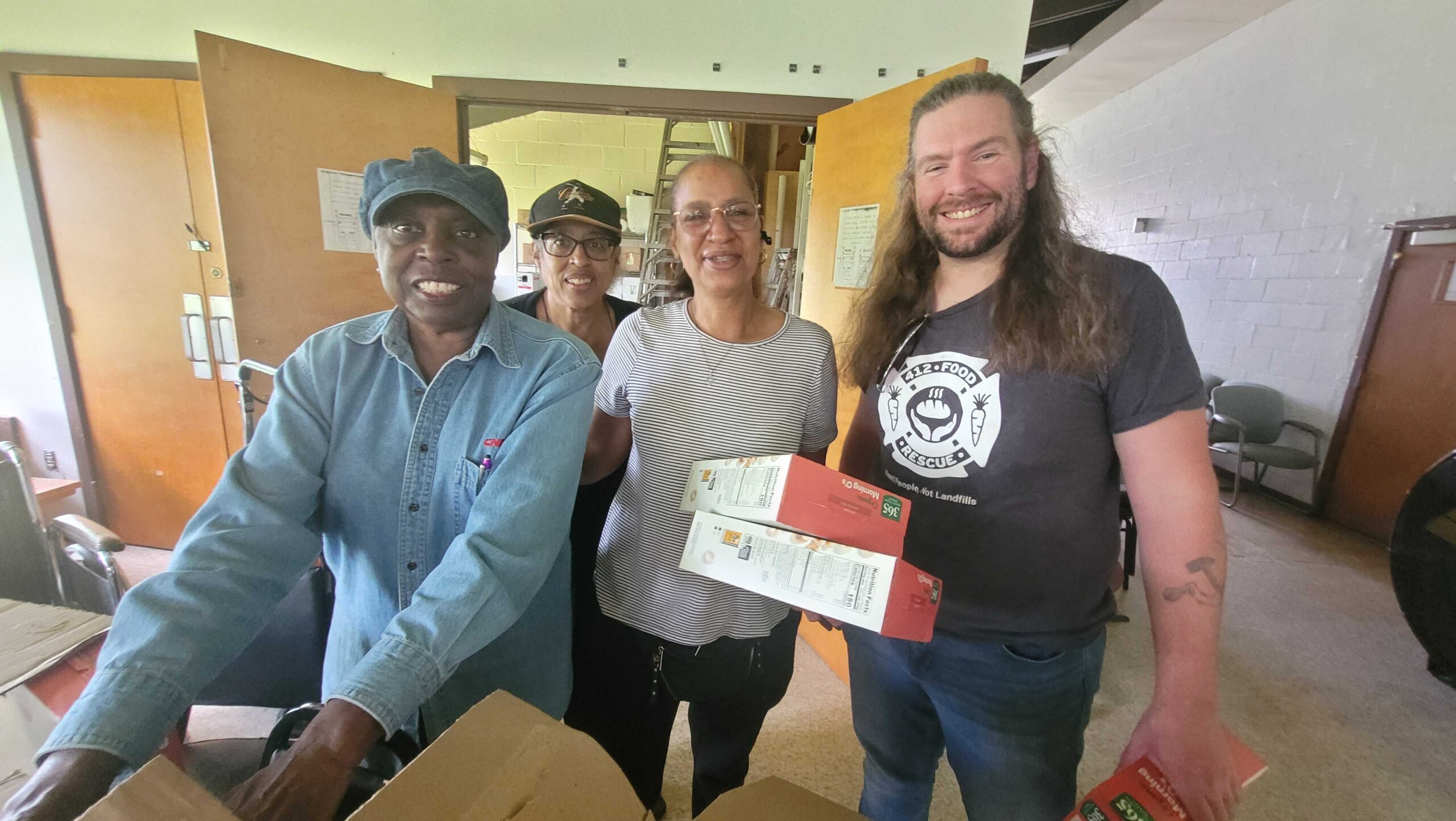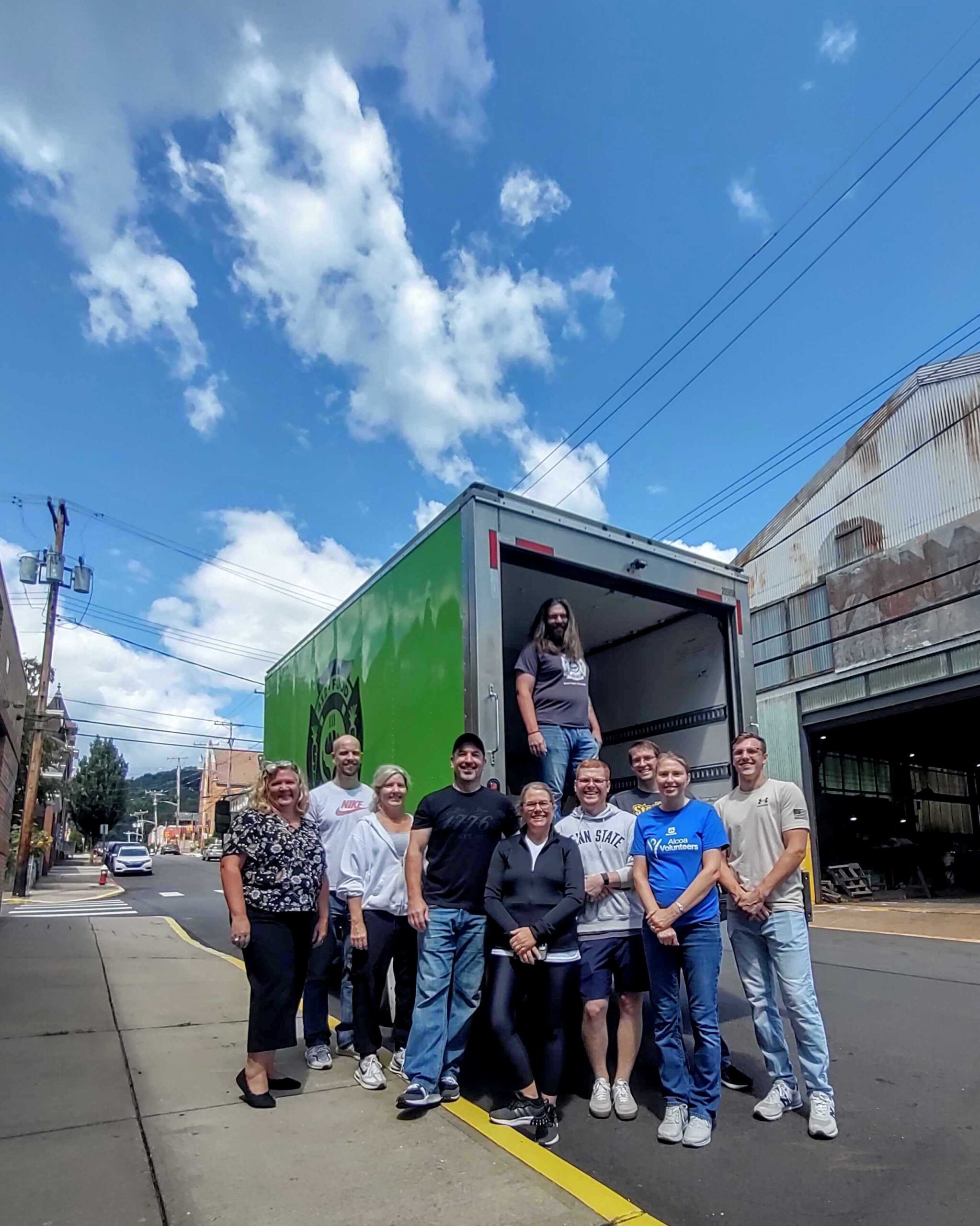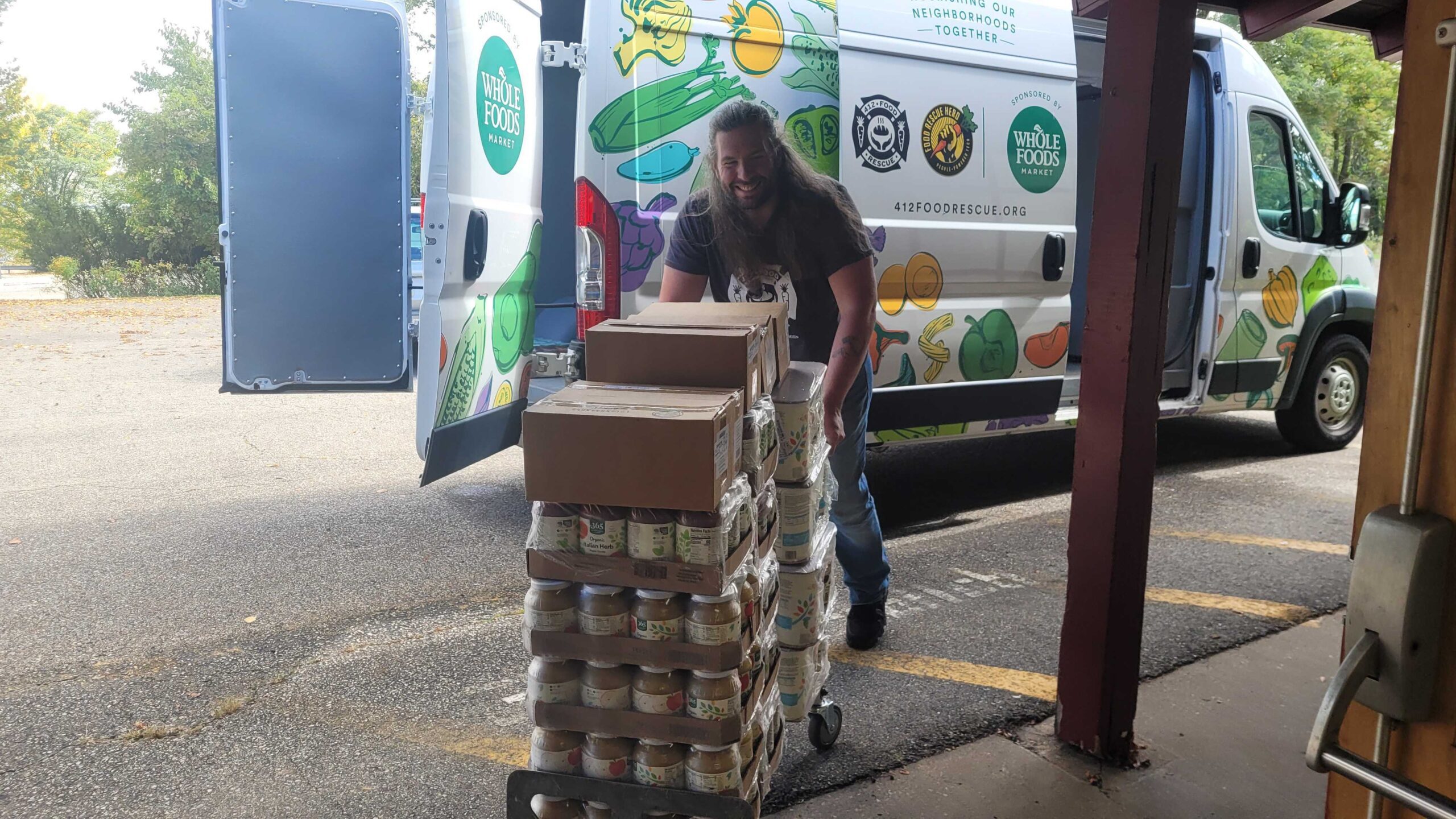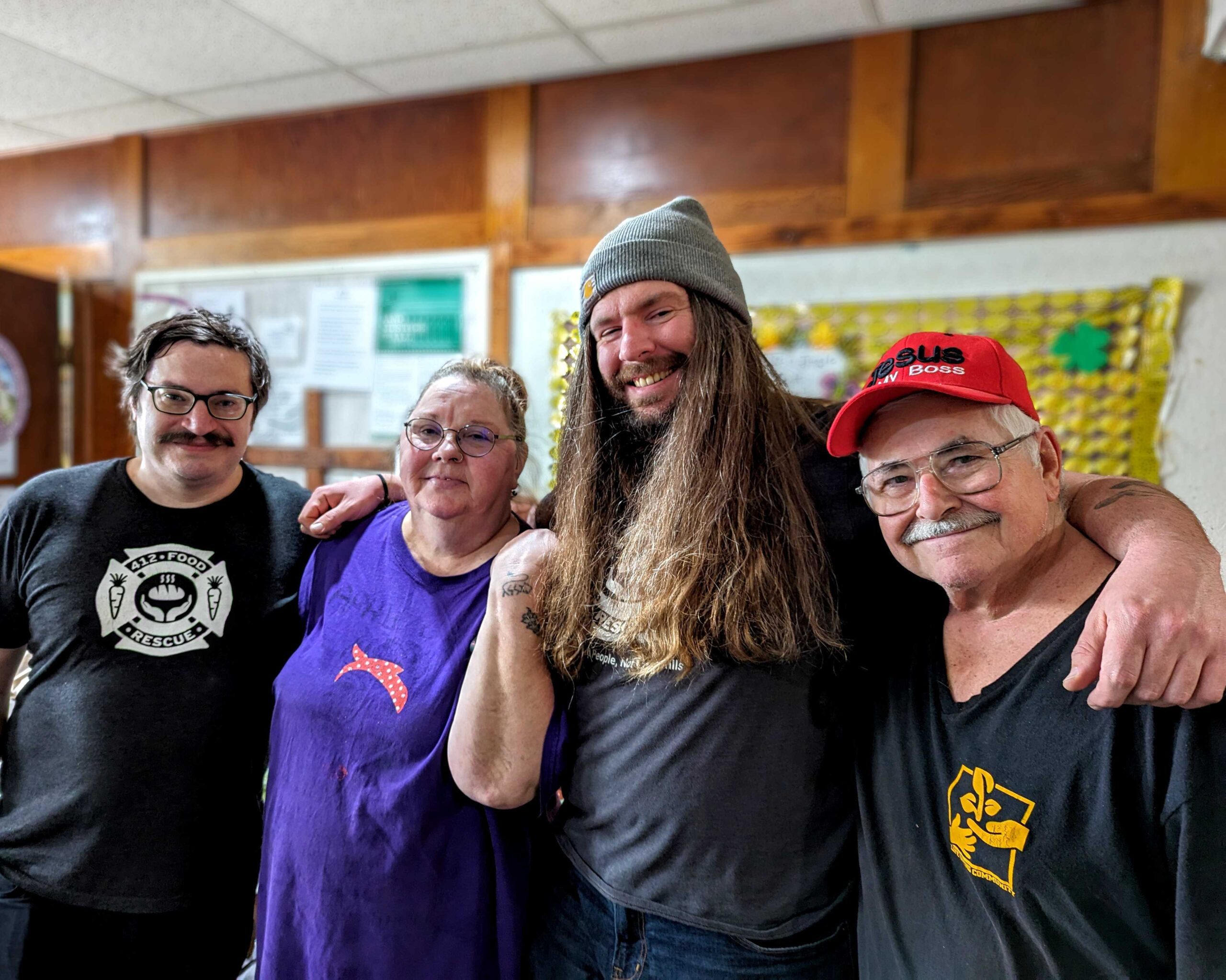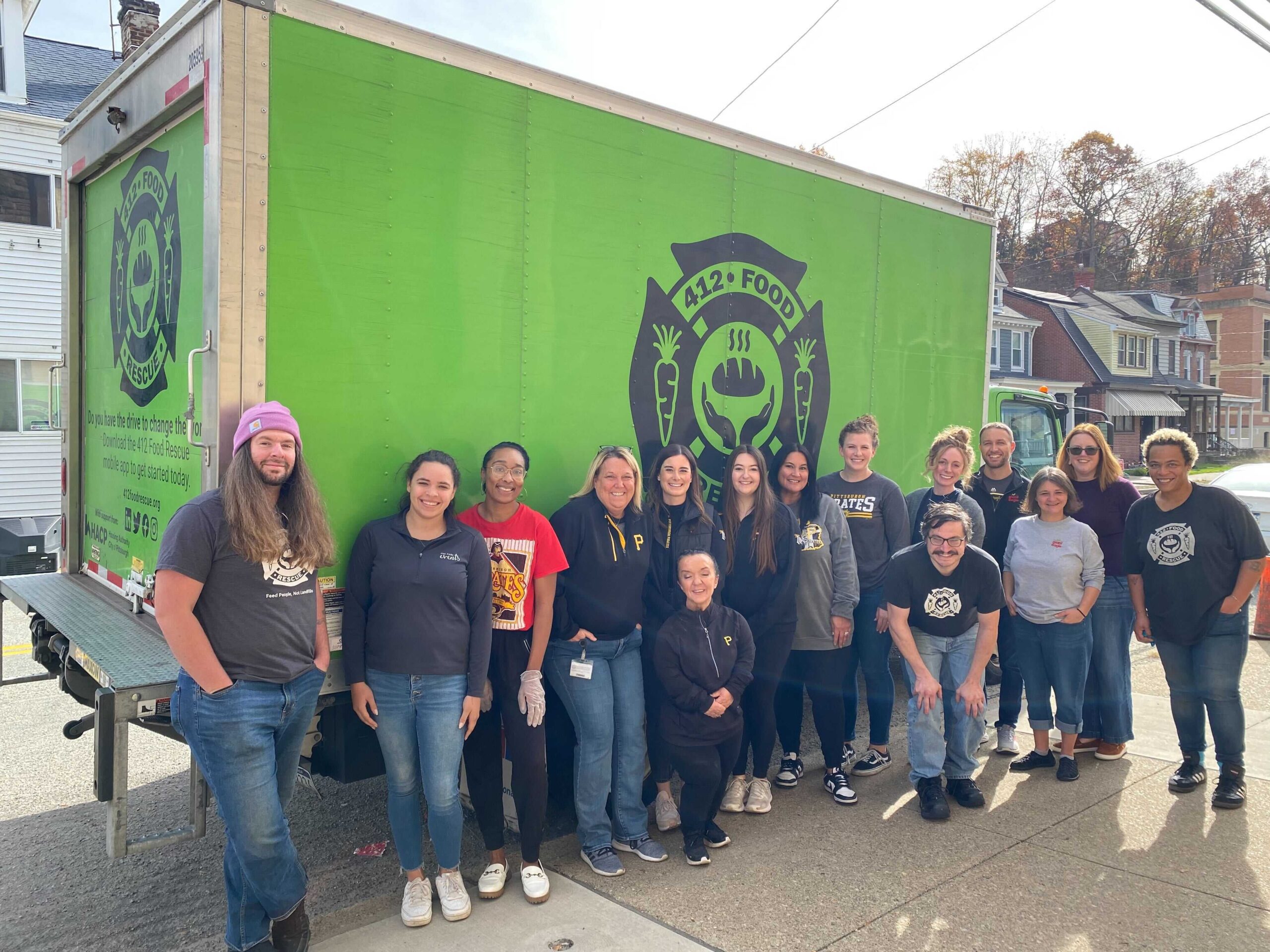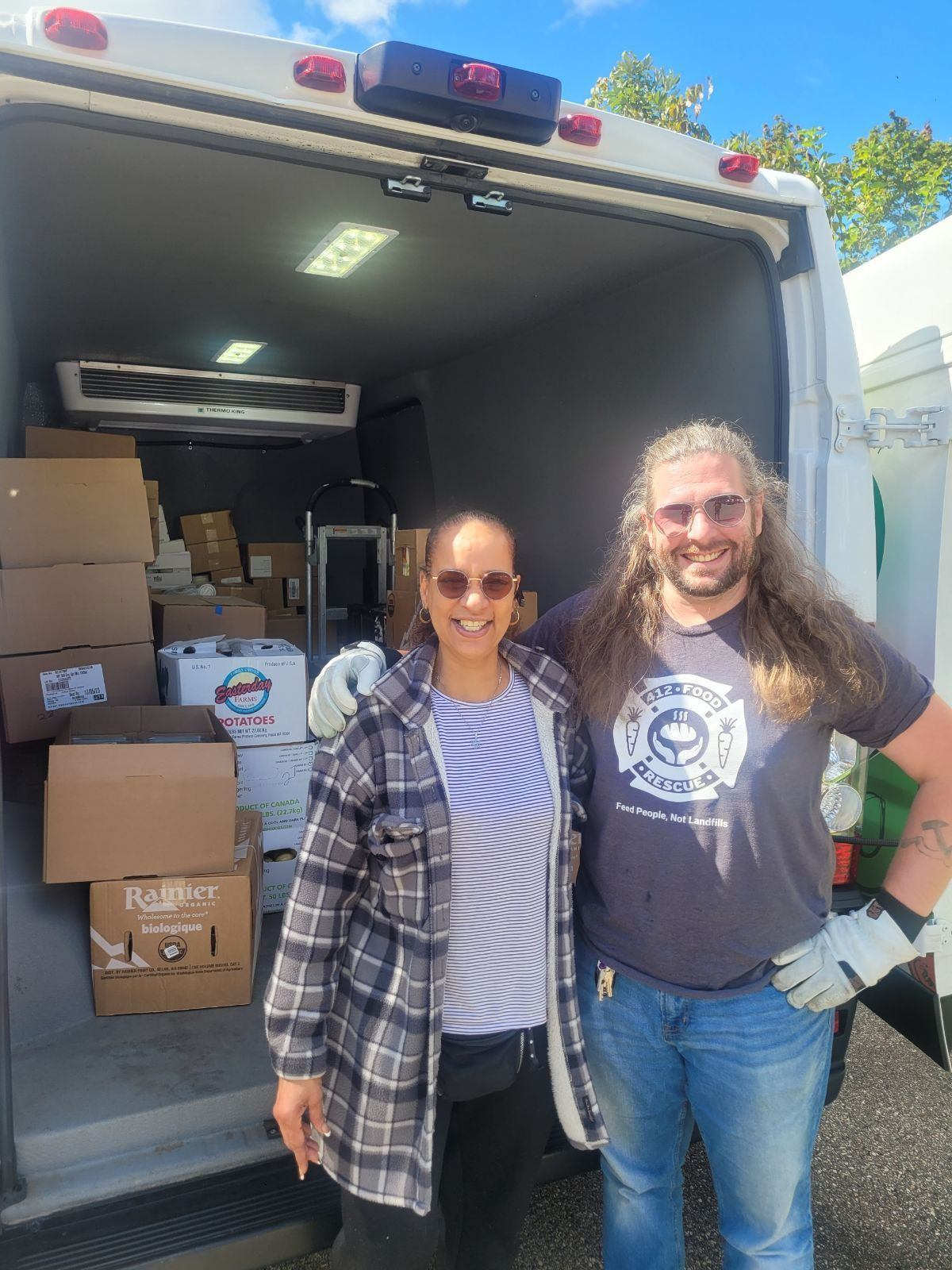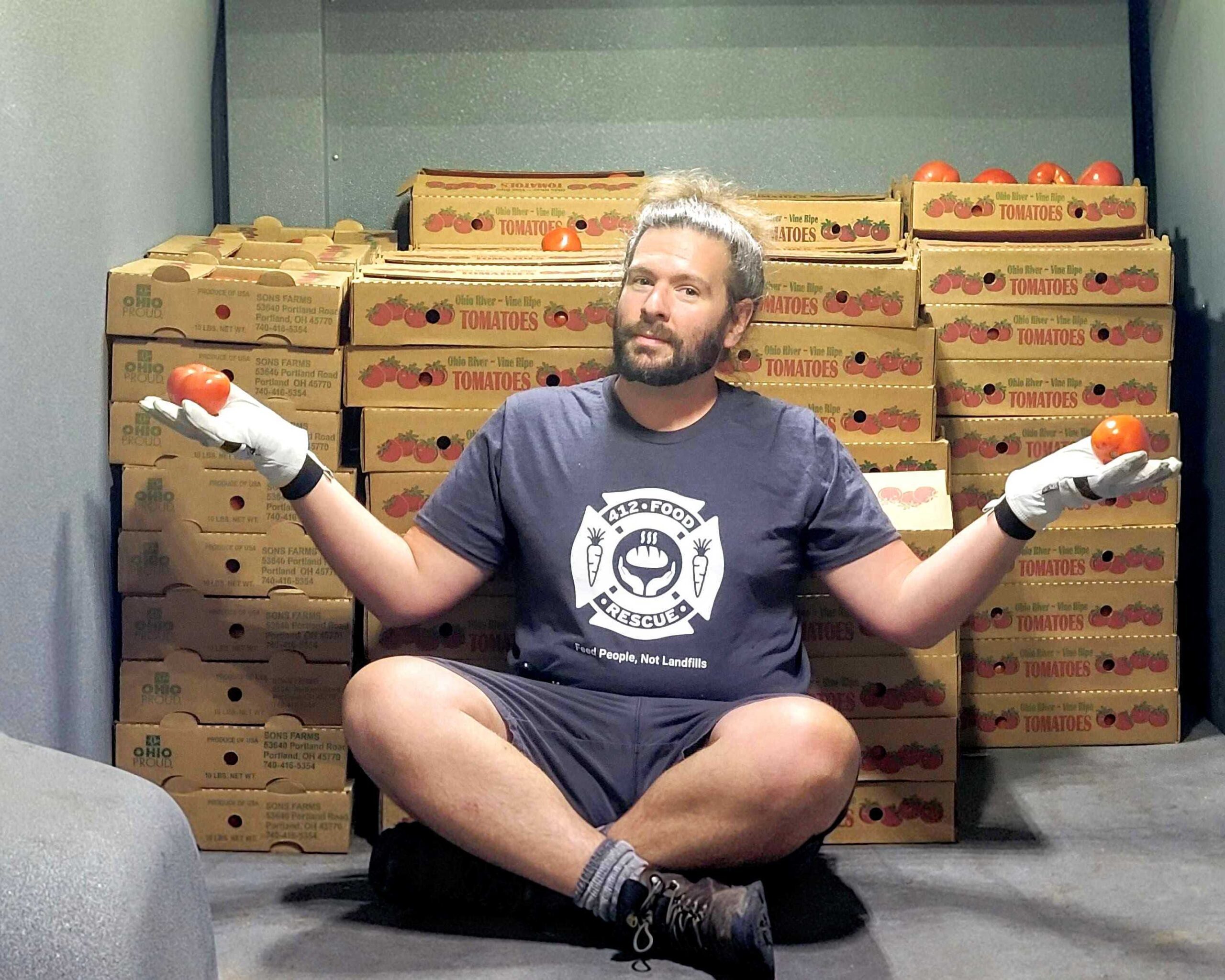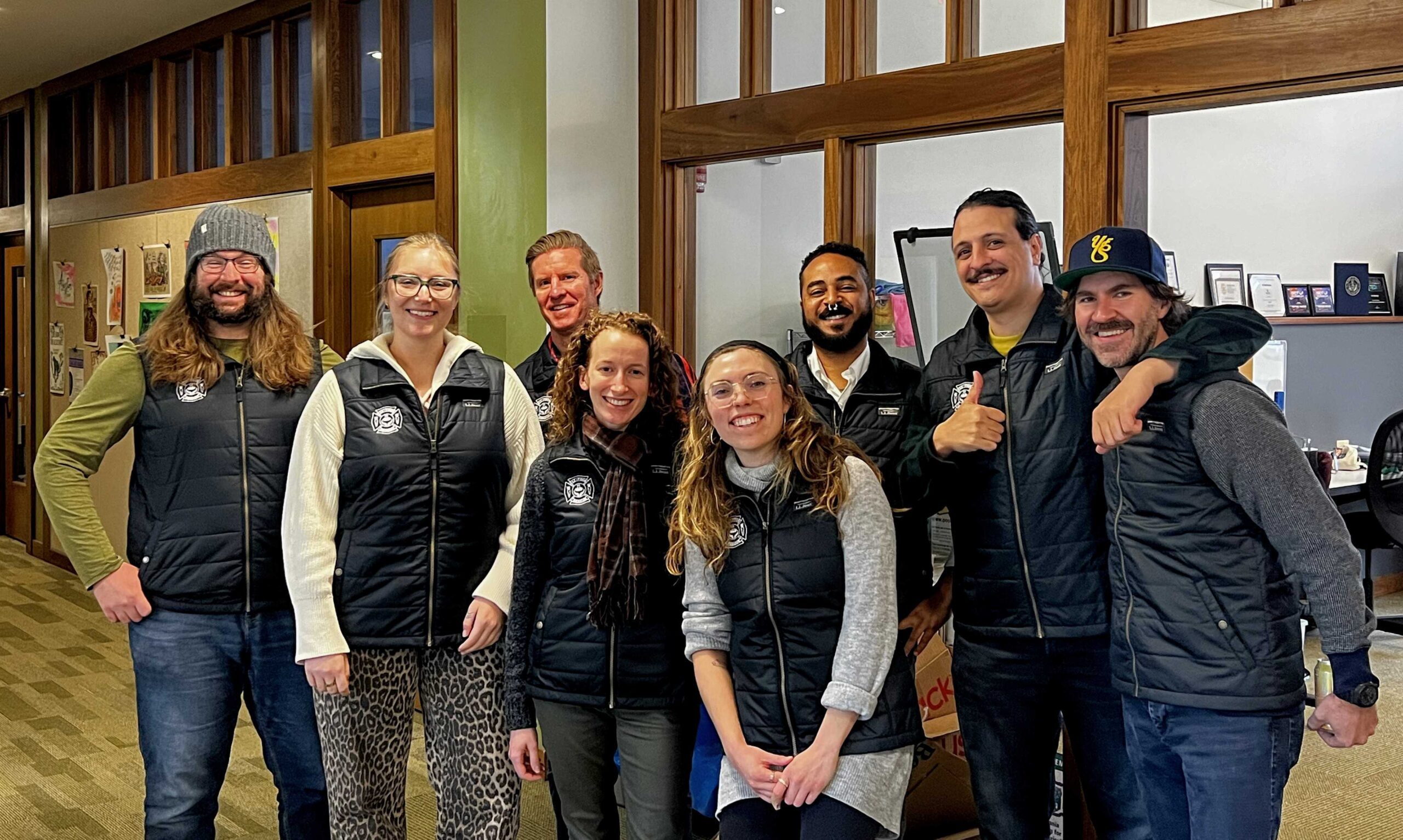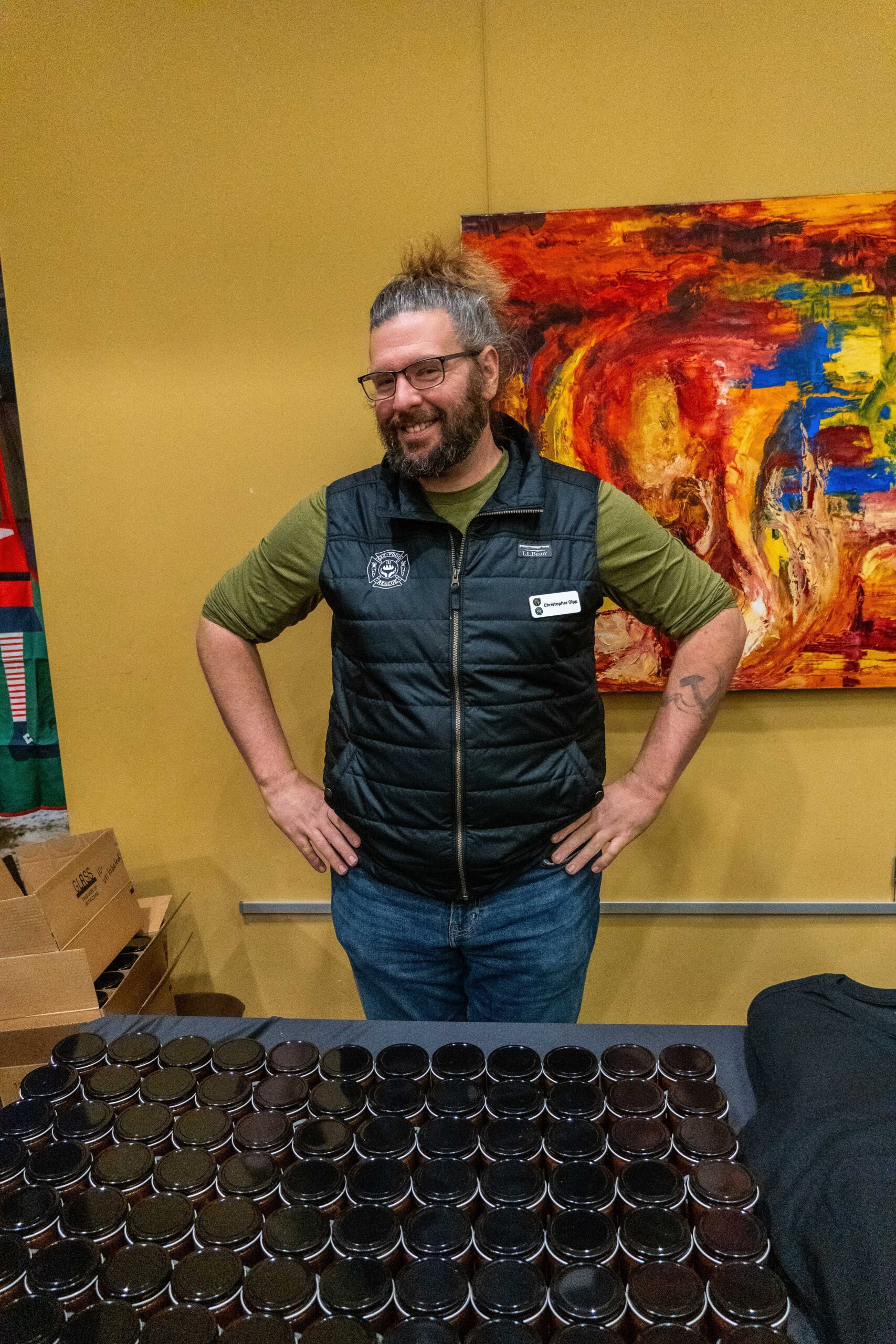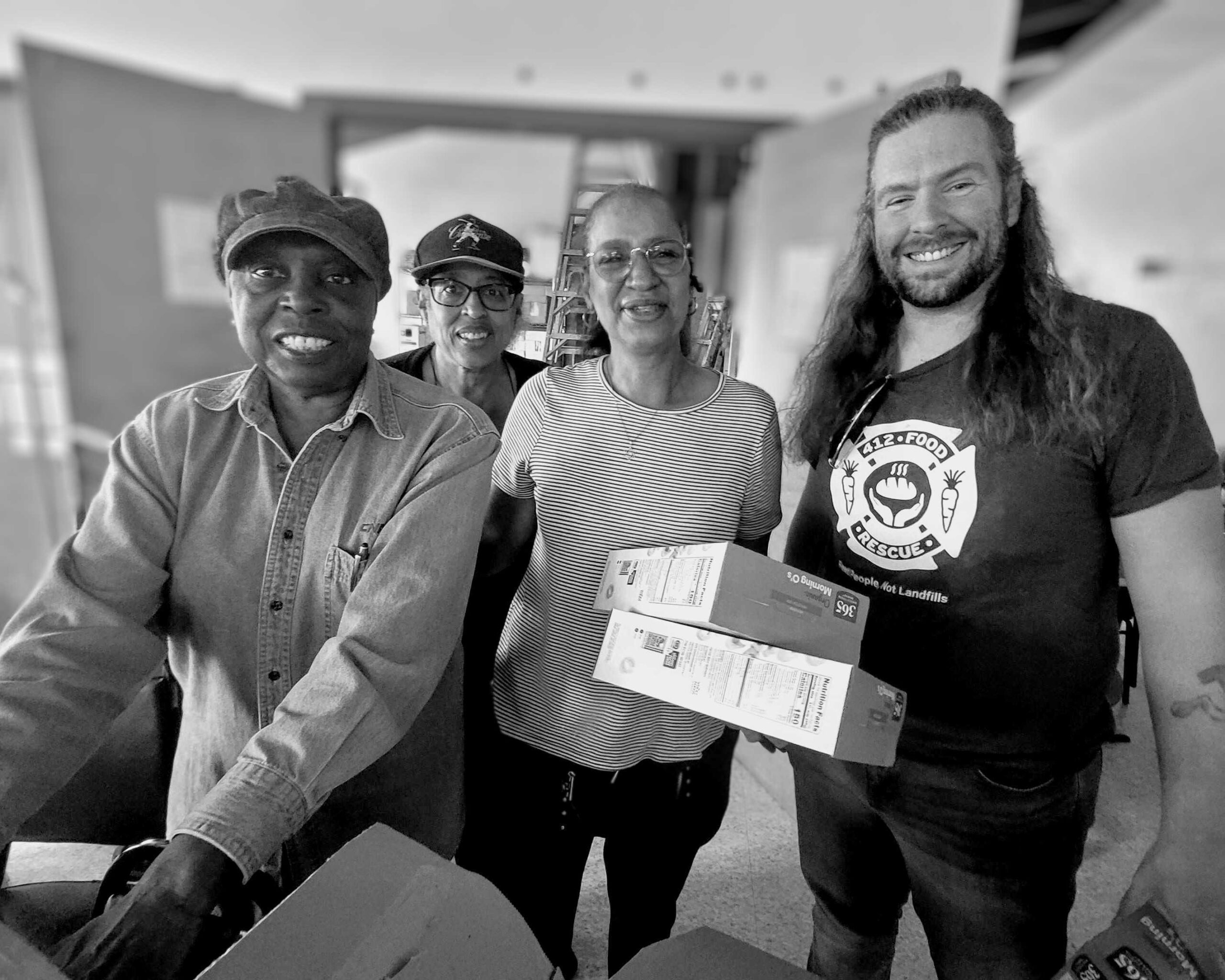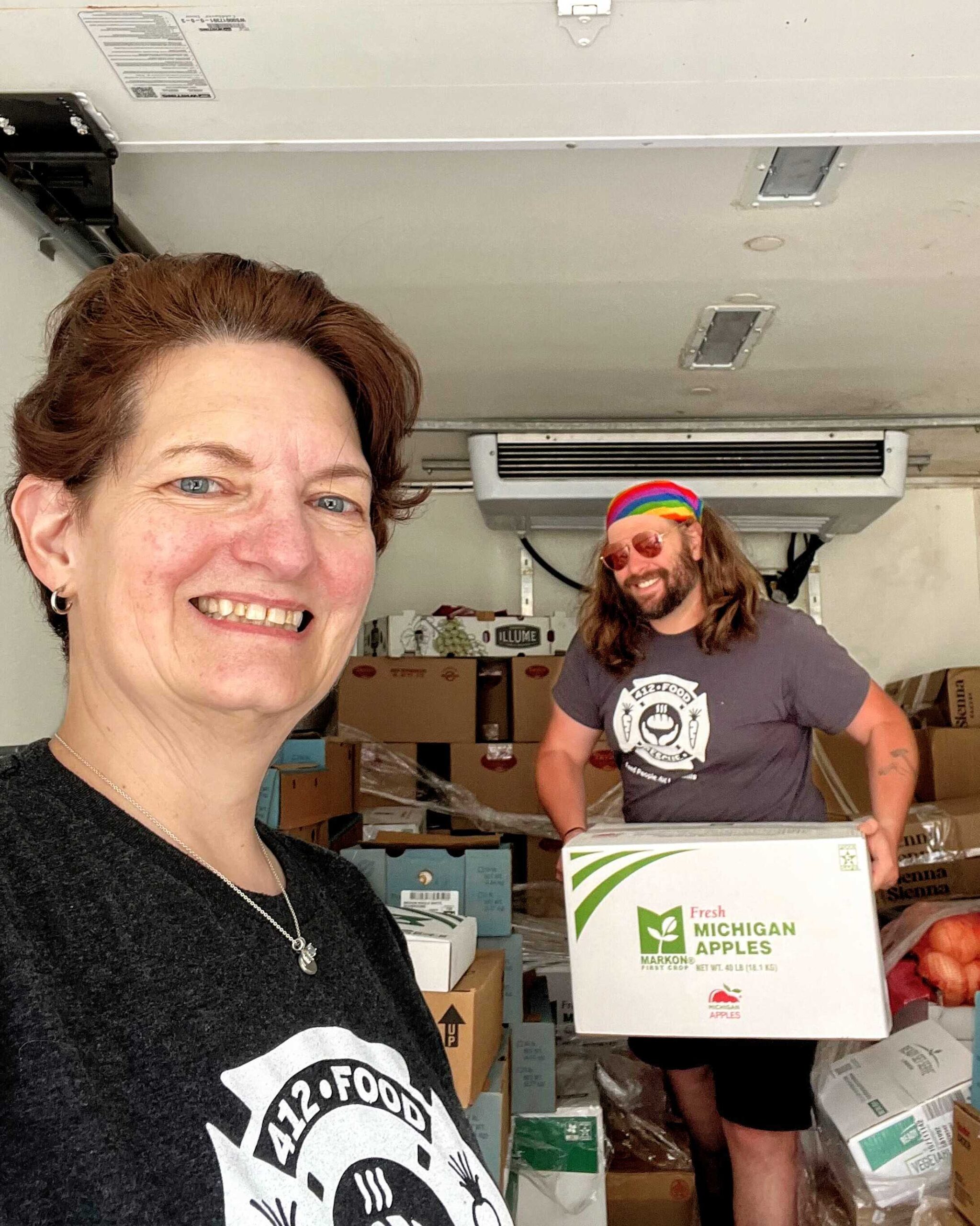
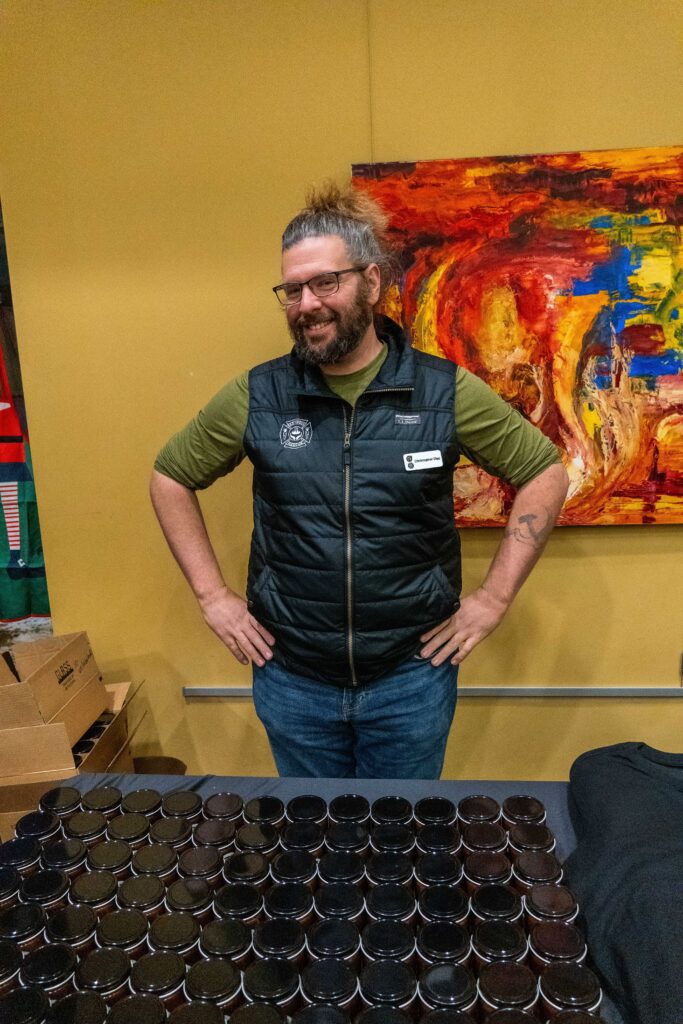
If you’ve ever called 412 Food Rescue about a donation, a rescue, or an “uh-oh, what do I do now?” moment, there’s a good chance you’ve talked to Chris Olpp.
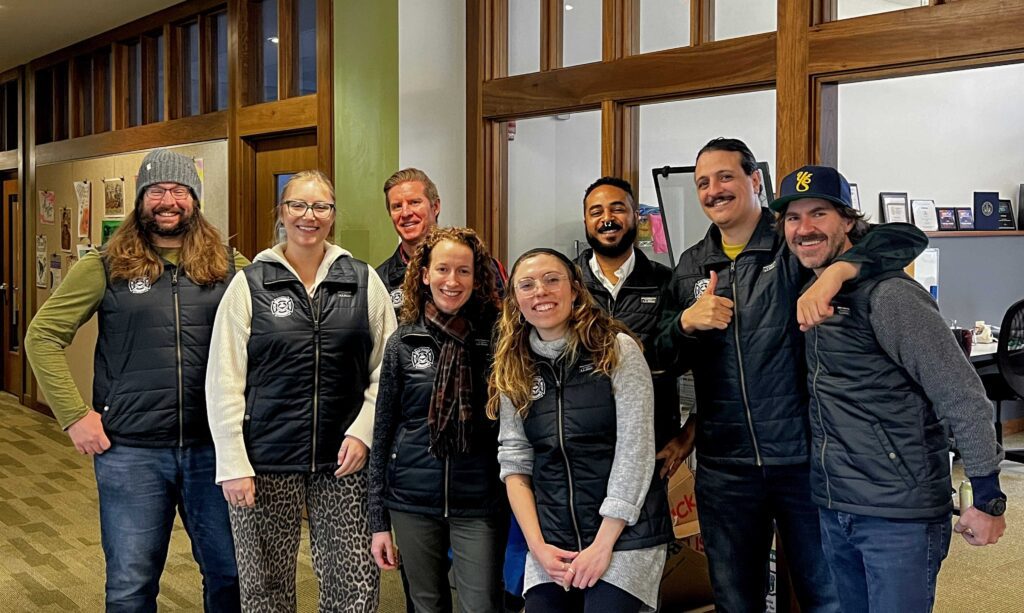
As one of three Dispatch Coordinators, Chris has been with the team for a year and a half, quietly keeping everything running behind the scenes. From fielding overnight donations to matching food with nonprofit partners, his work helps connect the dots between donors, volunteers, and recipients–all day, every day.
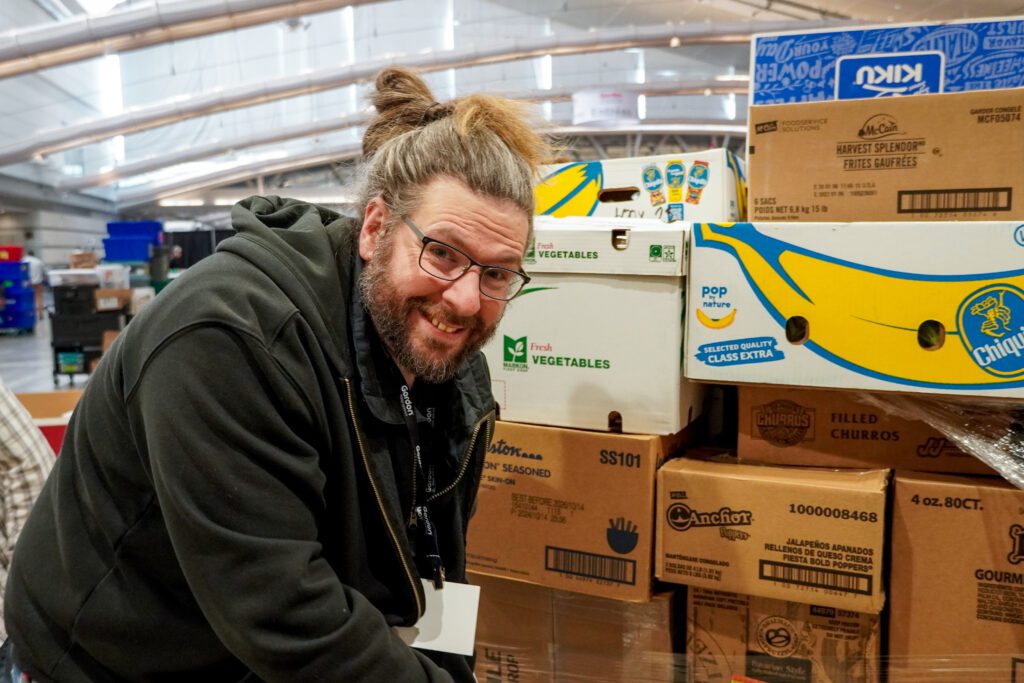
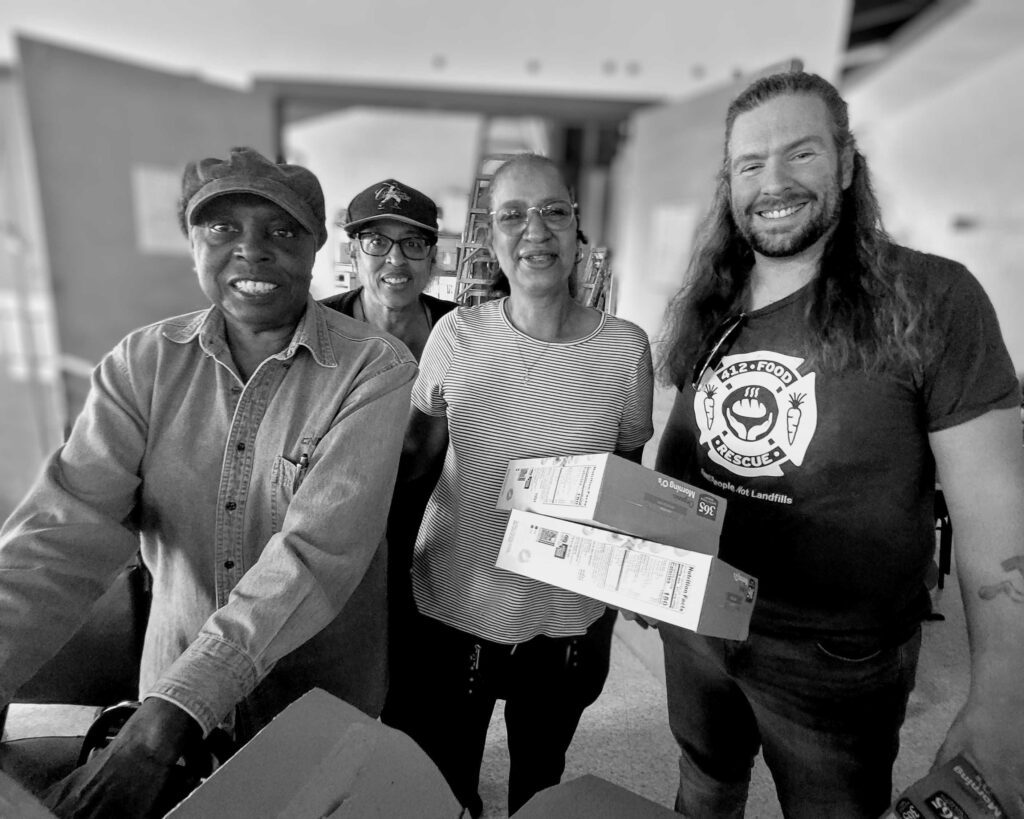
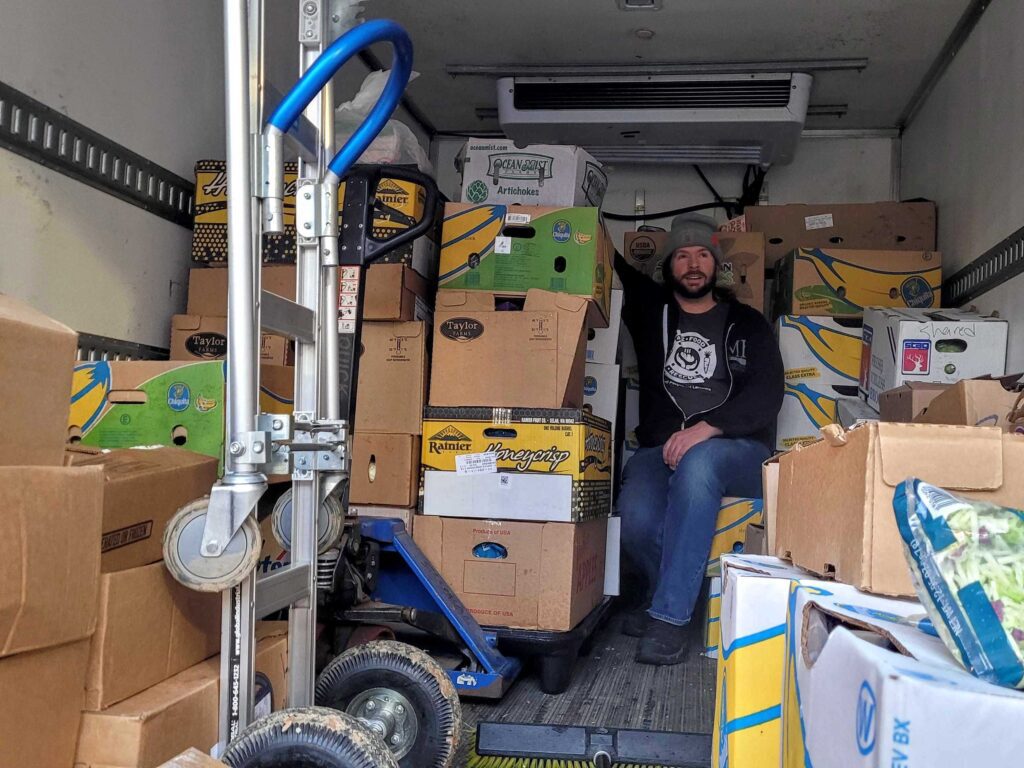
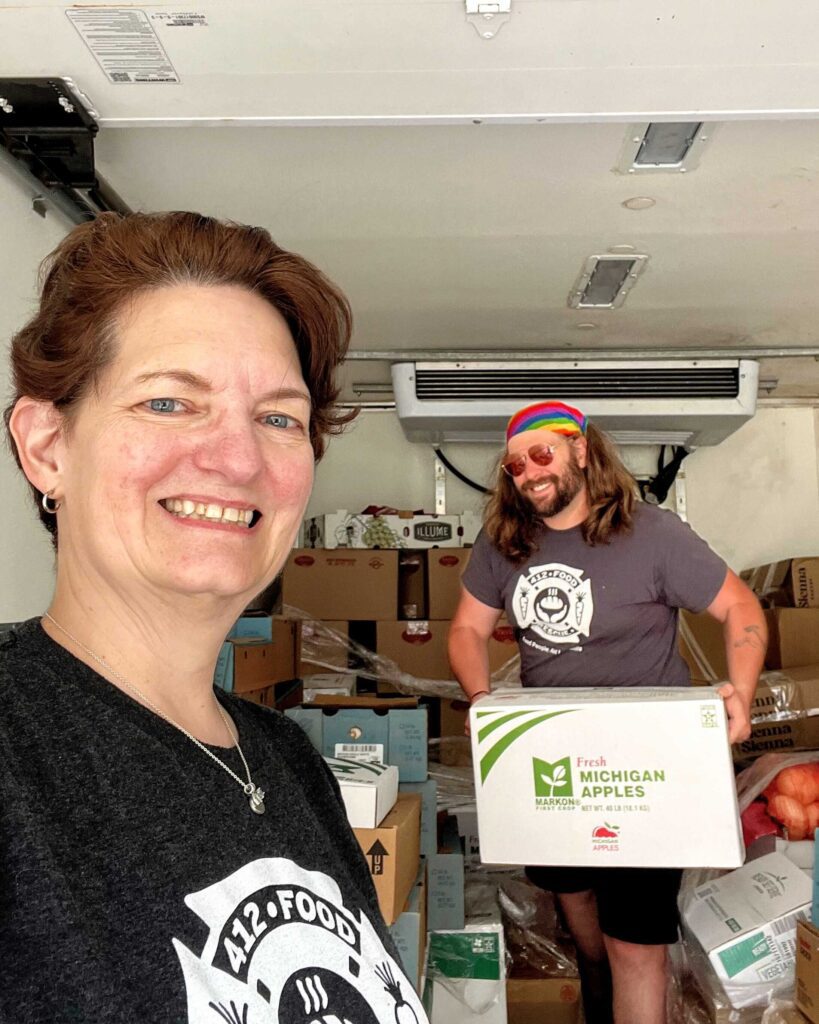
“We’re kind of the switchboard for the organization,” he says. “Calls come in, and we either handle them directly or get them to the right person. Communication is the biggest part of what we do.”
That communication was put to the test on April 29, when a major storm knocked out power to more than 300,000 households across the region. Suddenly, we were receiving a flood of calls from people looking to donate food they could no longer keep cold – but many of our regular nonprofit partners were also in the dark.
“It was a lot,” Chris admits. “We had more donations coming in than usual, but fewer places that could safely accept them. That made things tricky.”
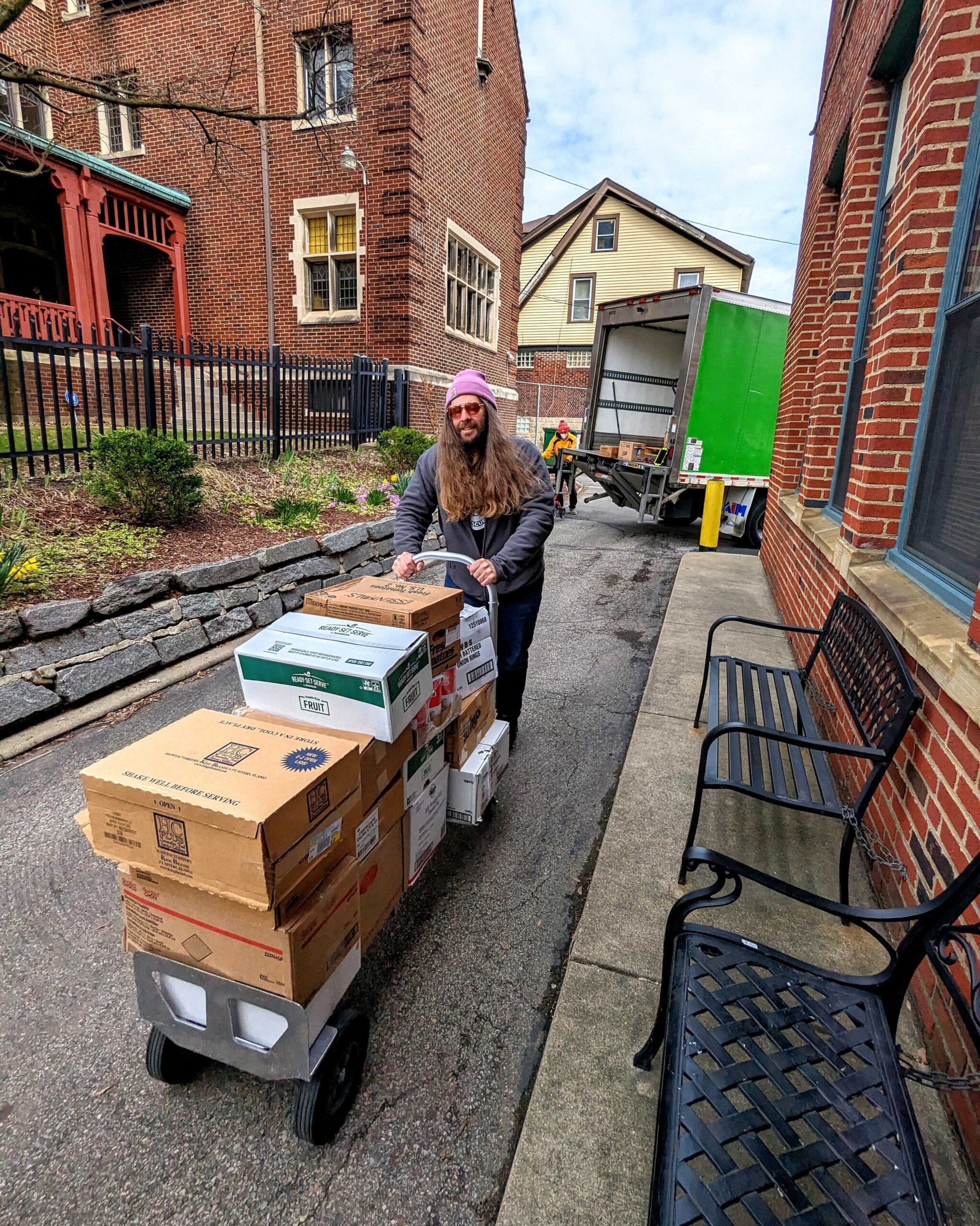
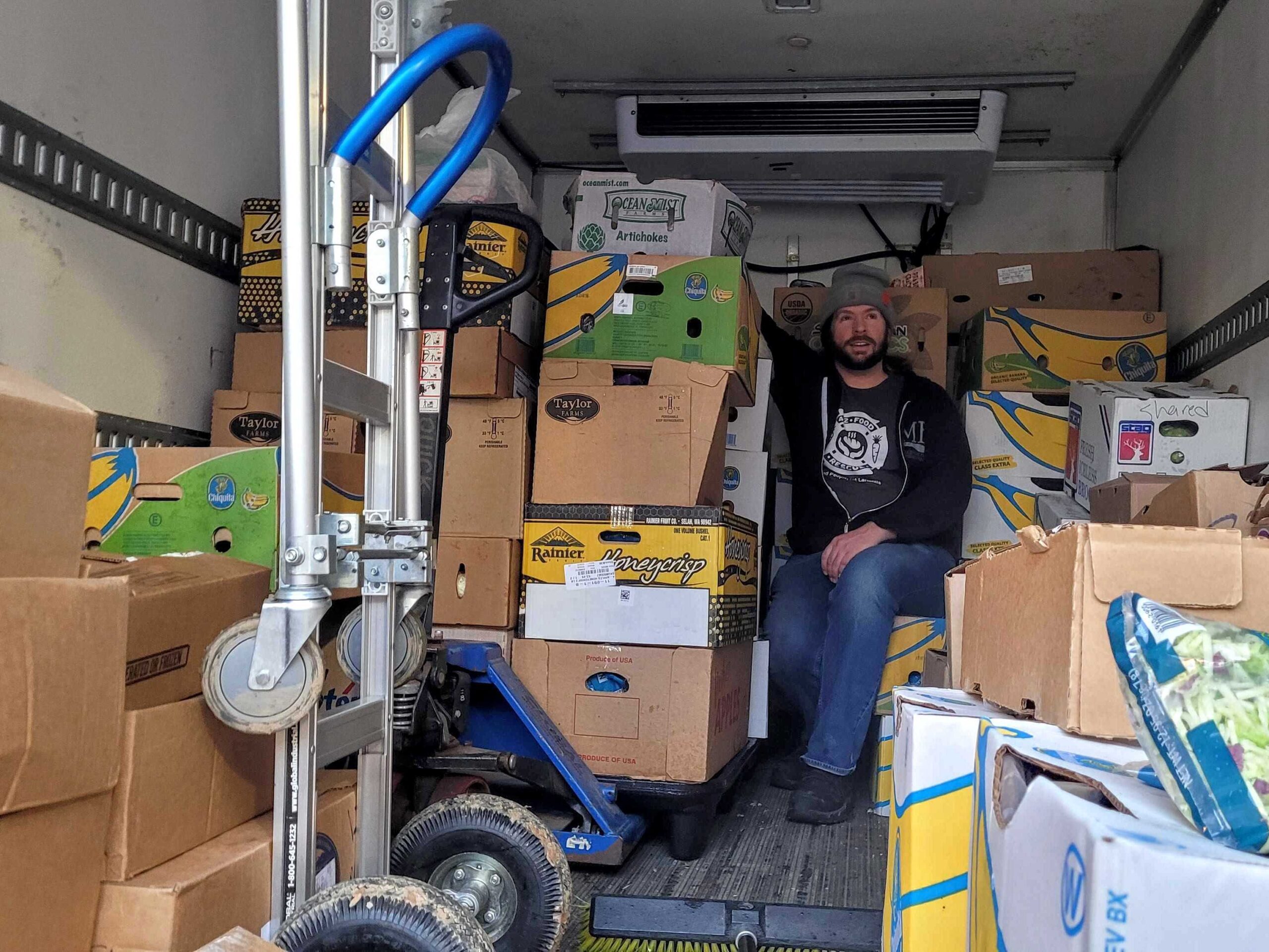
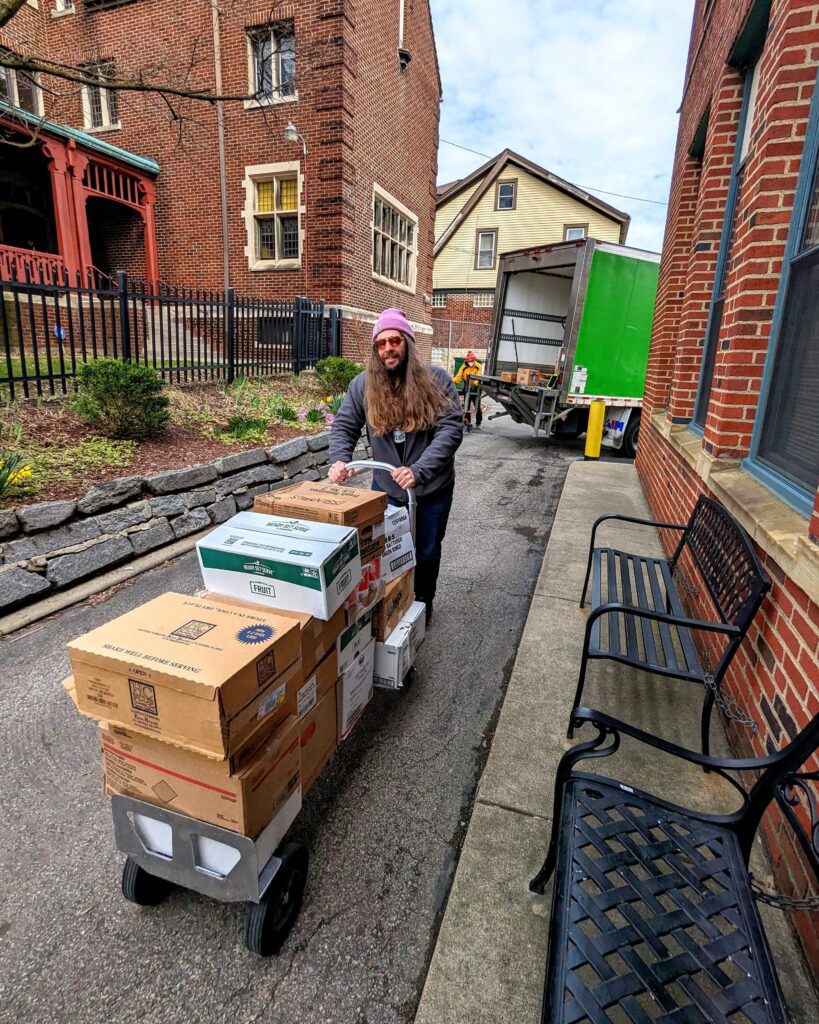
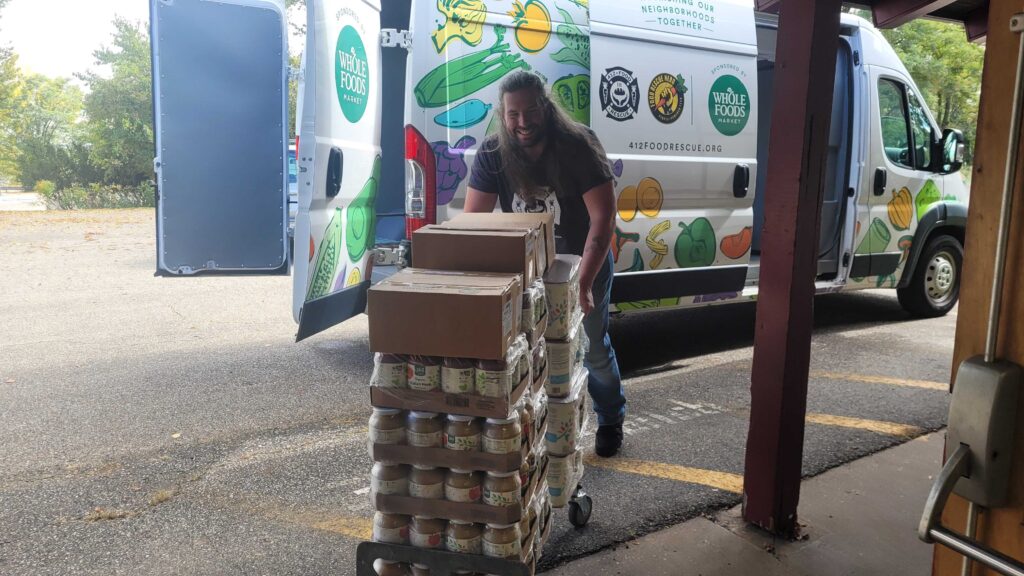
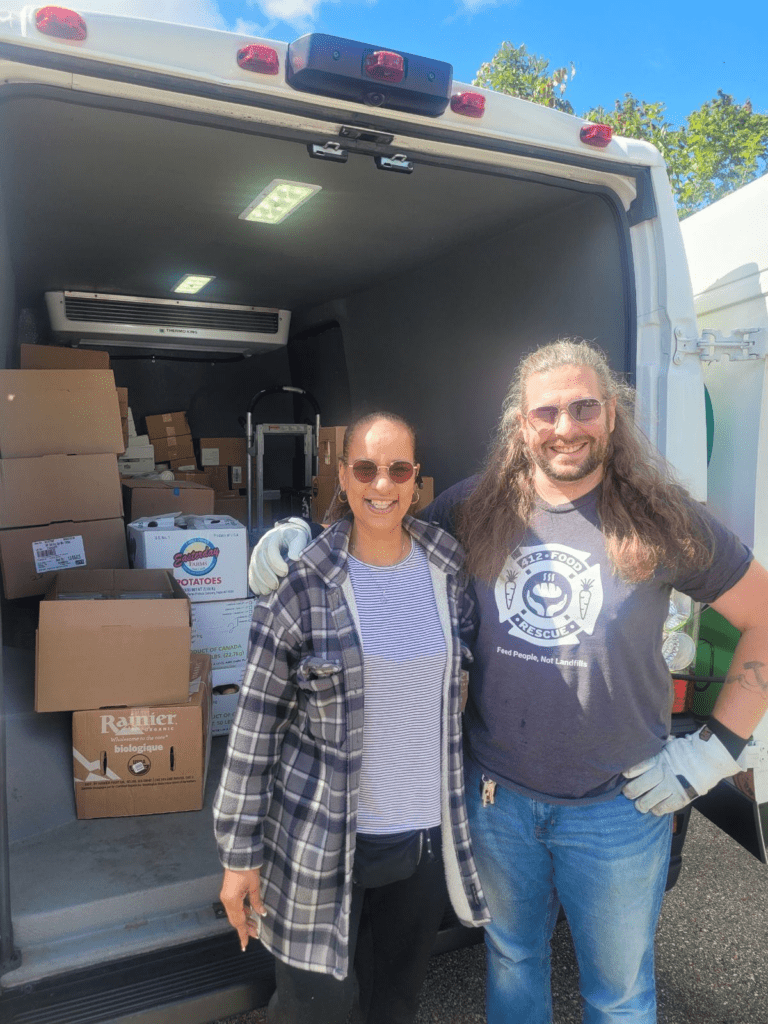
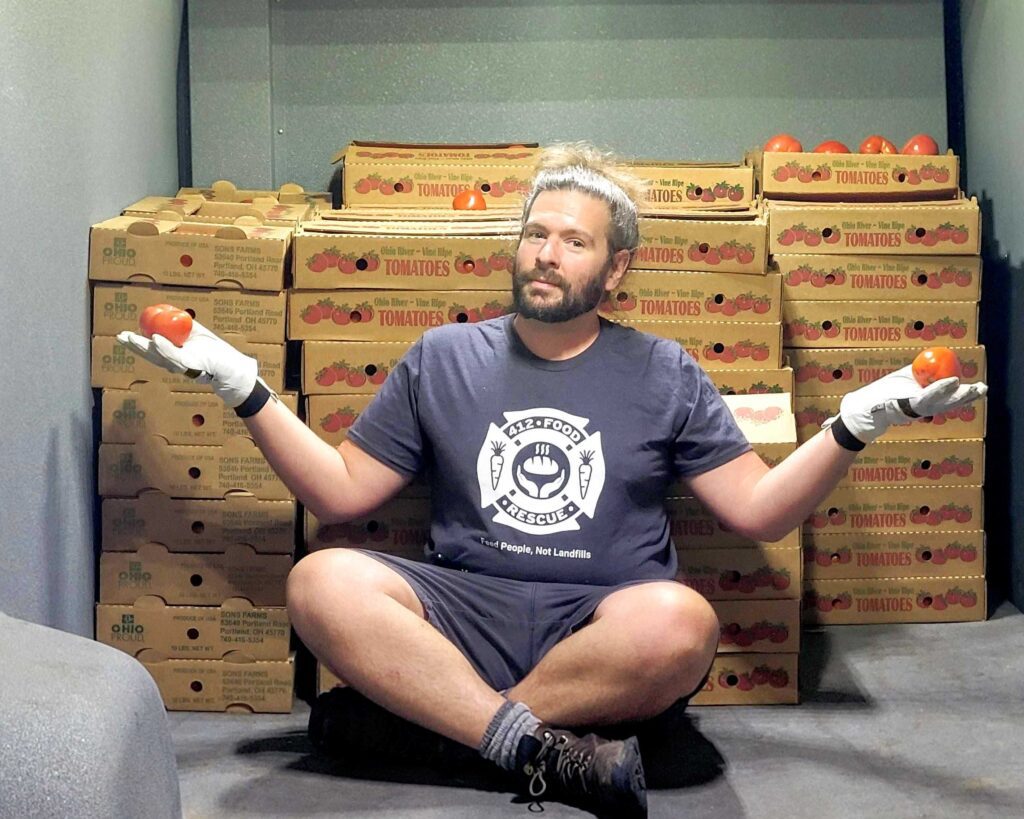
Despite the challenges, Chris coordinated dozens of rescues, including a last-minute delivery of over 1,300 pounds of tomatoes and peppers to Roots of Faith in Sharpsburg – while also juggling a 15,000-pound SunFresh donation and supporting volunteers navigating outages.
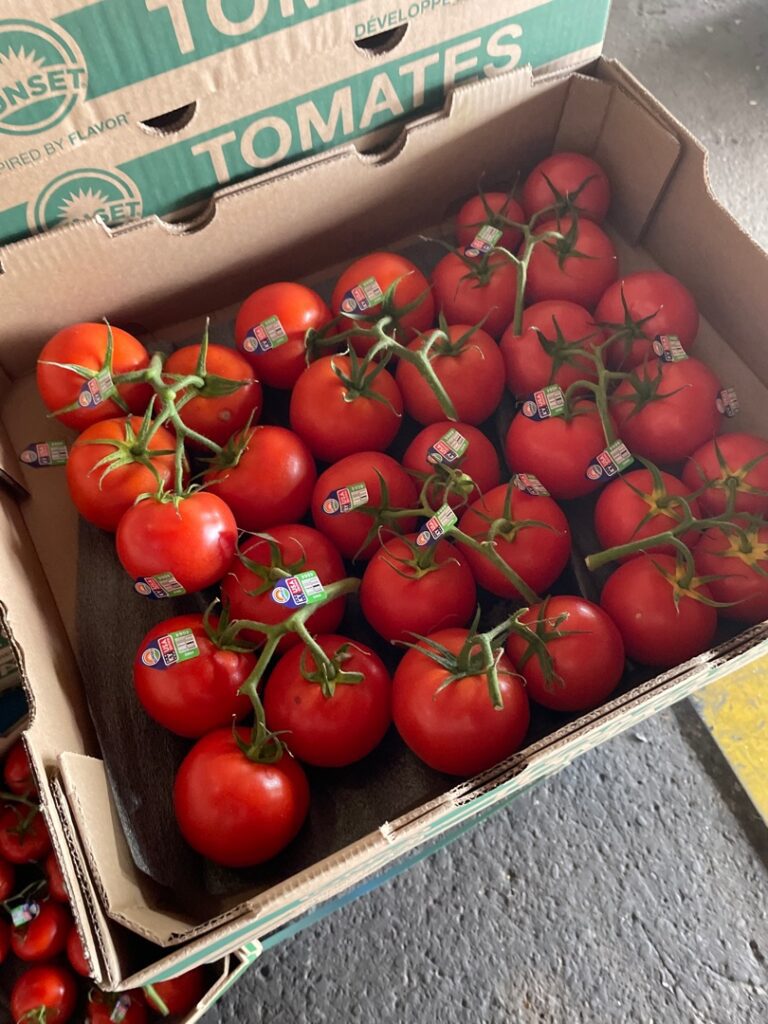
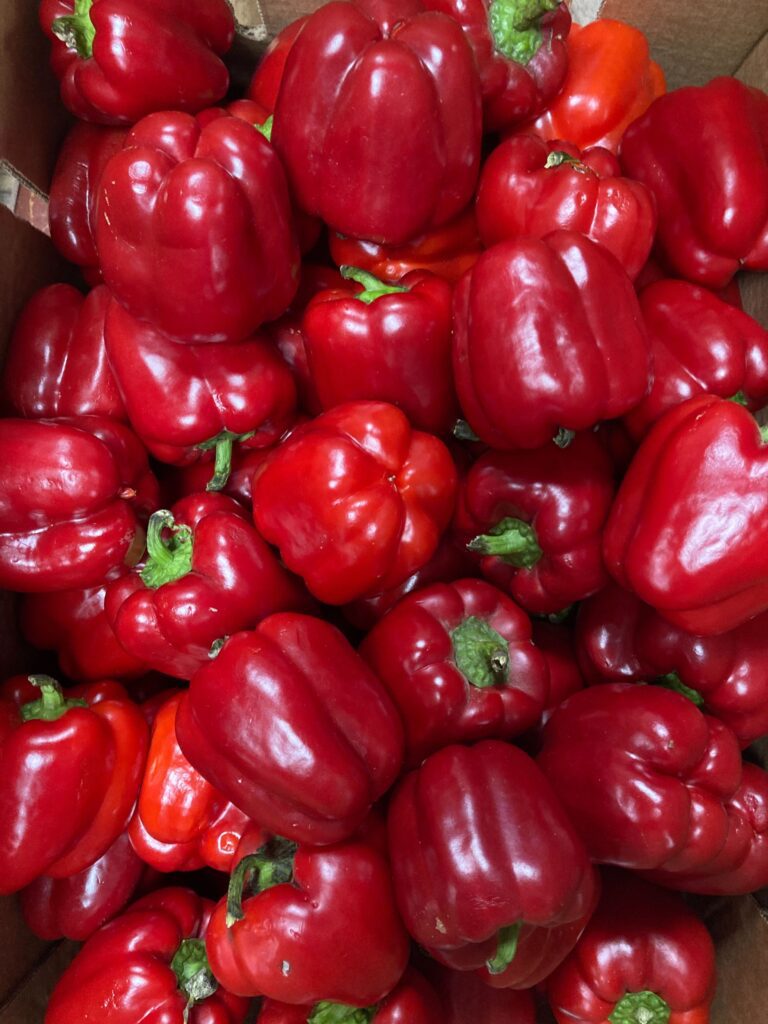
“It helped that I knew the fleet’s schedule that day,” he says. “We were able to reroute one of the vans in real-time to make that delivery happen, even without much notice.”
Chris is quick to point out that the power outage exposed a bigger need: having an emergency plan in place for future disruptions. “We need to think about where non-perishable donations can go, what to do when fridges aren’t working, and how to keep communication flowing when the power is out.”
On an average day, Chris and the rest of the dispatch team are in constant contact with volunteers, donors, nonprofit partners, and our internal teams – mostly through Dialpad, Slack, Google Sheets, and the Food Rescue Hero platform. But his most important tool? “Honestly, it’s just talking to people,” Chris says.
For him, the most rewarding part of dispatch is simple: knowing that good food isn’t going to waste.
His advice for anyone thinking about getting involved?
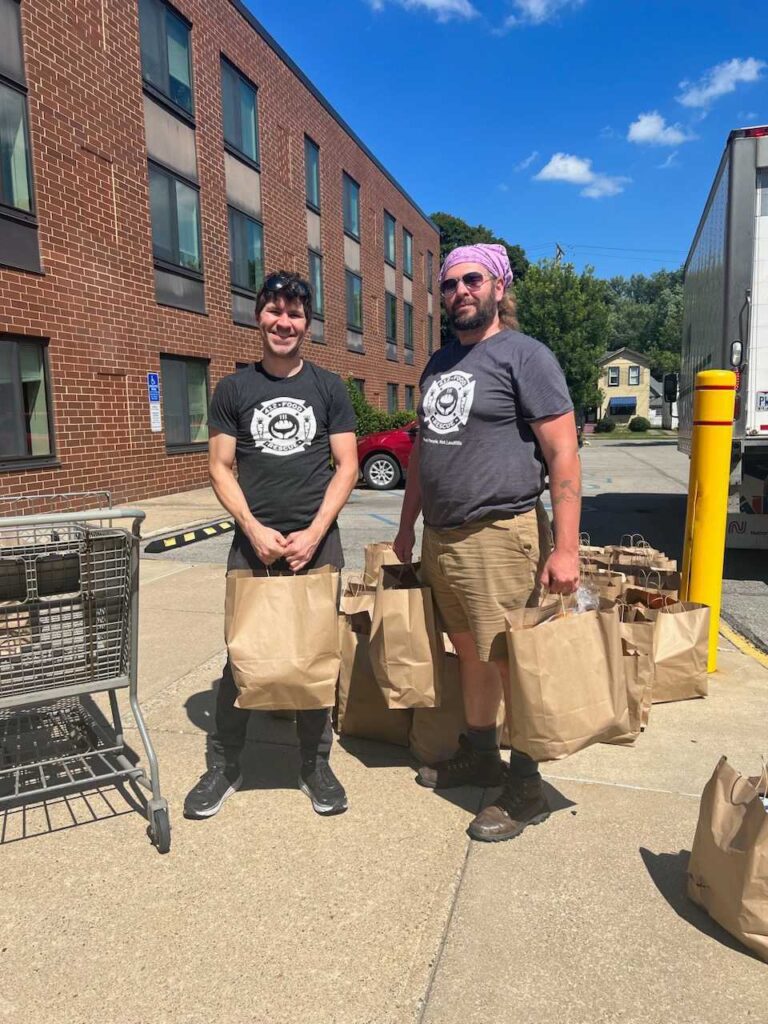
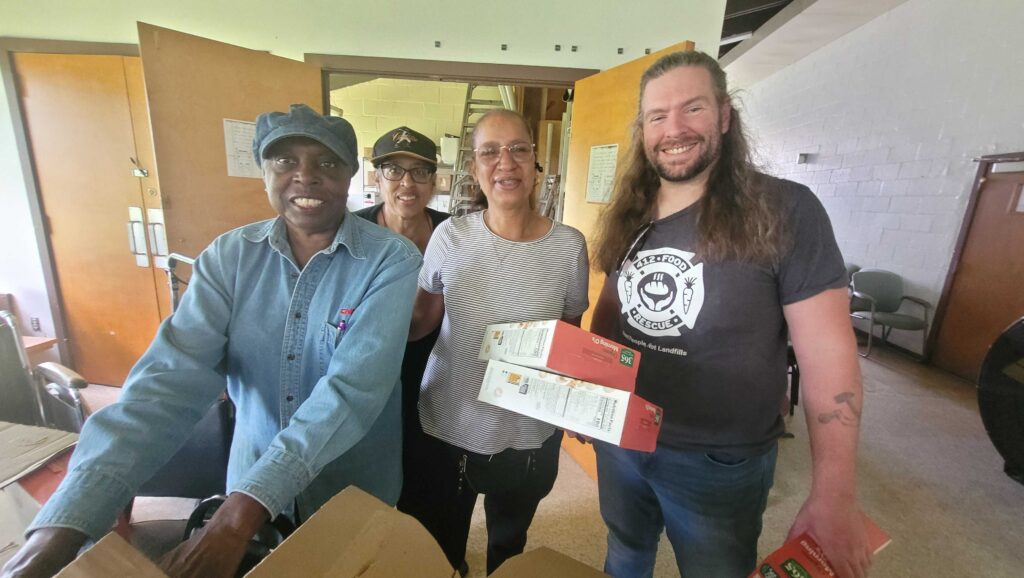
“Go out and do something for your neighbors. Don’t feel like you have to join an organization. Get to know and care about your neighbors in a way that allows you to build community support for one another. Cook for your elderly next-door neighbor. The only way we get through hard times is with the help of those around us.”
Support the work of 412 Food Rescue
Download the app to start volunteering:


Make a financial donation: