Addressing the SNAP Crisis in our Communities
by Keith DeVries + Tara McHenry
The 2025 SNAP benefit cuts represent a crisis for our country’s most vulnerable residents. Since October 2025, nearly 13,000 people in Allegheny and Washington counties alone have lost or are at risk of losing critical nutrition assistance. When federal safety nets shrink, local infrastructure becomes essential.
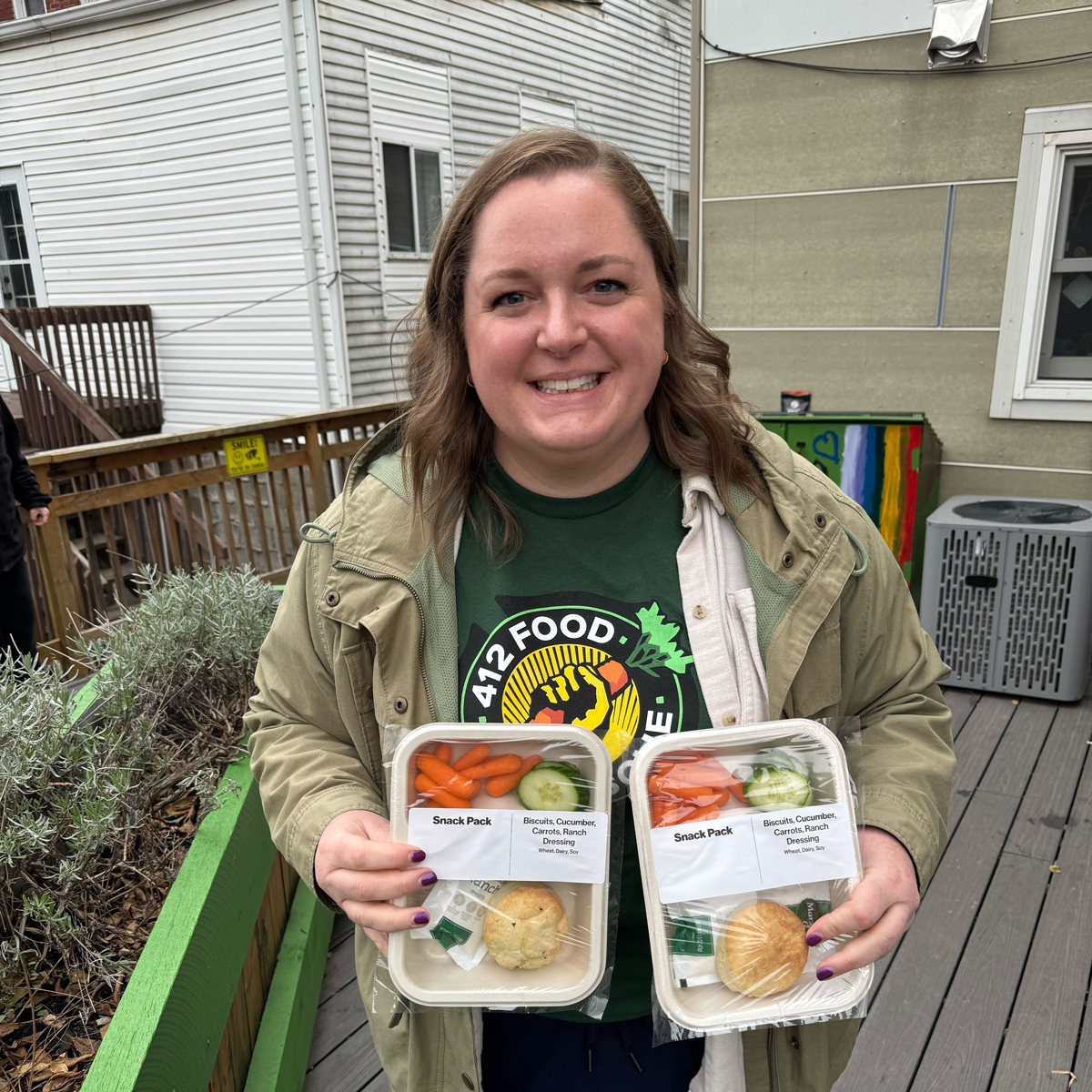
In the fall of 2025, 412 Food Rescue responded to the first round of SNAP cuts by pivoting some of our operations to provide additional grocery bags, fresh meals, and snack kits to community partners and increasing drop-offs to local free fridges to help expand low-barrier access to food.
With more cuts hitting in October 2026, we’re stepping in again, doing what we do best: meeting people where they already are. Our new SNAP Gap project is directly addressing the hole created by benefit cuts by providing additional emergency food support to community partners.
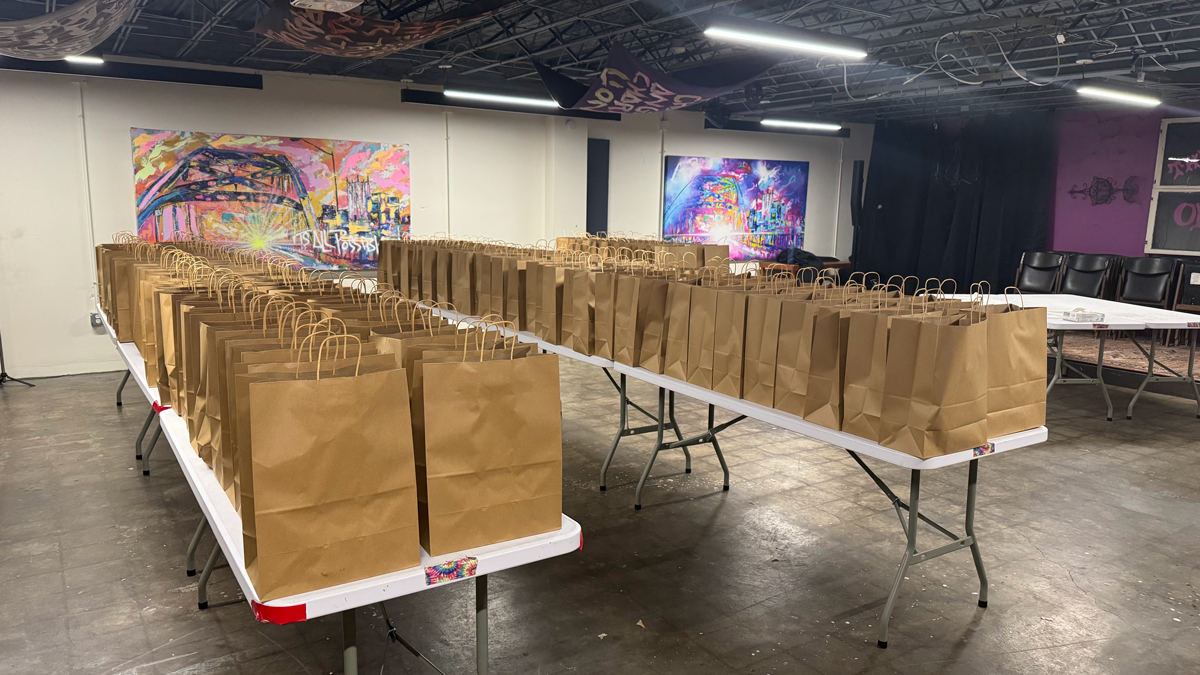
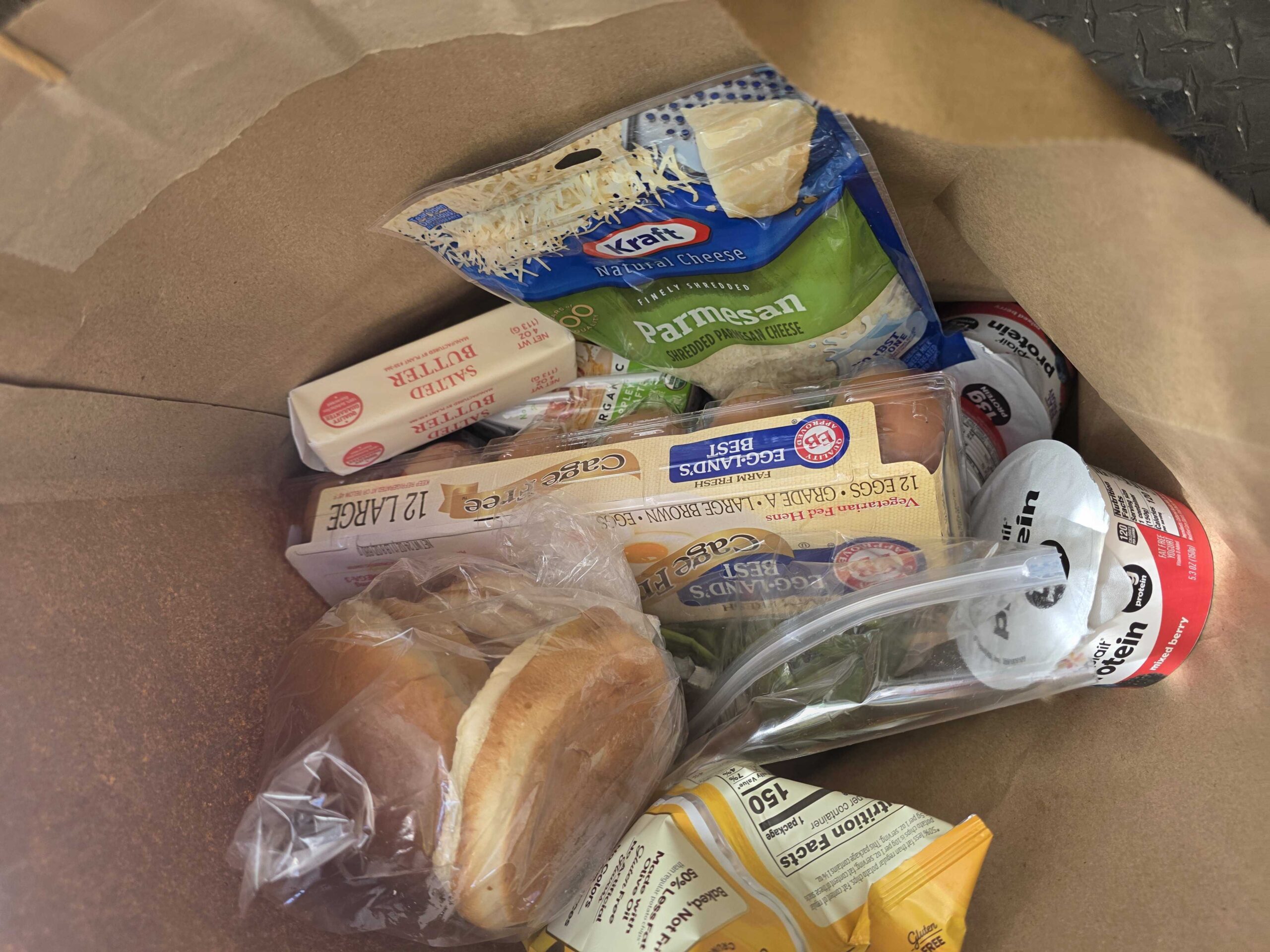
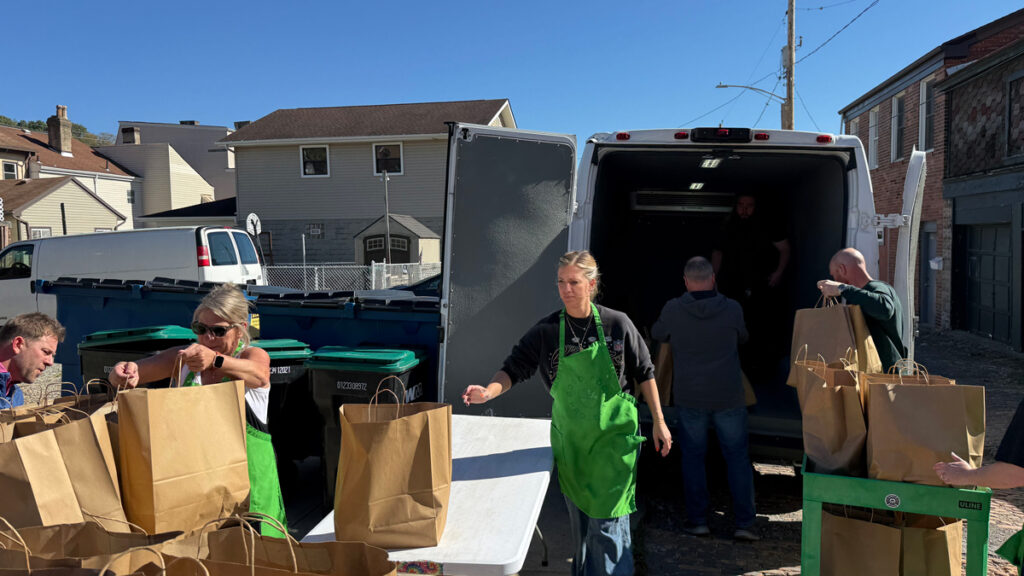
Over 16 weeks, we are distributing 1,600 grocery bags containing approximately 9,600 pounds of nutritious food to neighbors in Allegheny and Washington Counties who are most impacted by the SNAP benefit cuts. Working with four specific community organizations, on a rotating basis, each partner will receive 100 weekly grocery bags. Bags will include fresh produce, dairy products, protein, baked goods, and shelf-stable staples.
This initiative is about reaching people others can’t.
 While larger food banks provide vital infrastructure through fixed pantry locations and hours, they unintentionally filter out entire populations: individuals who can’t take time off work, those without stable addresses or documentation, and rural communities with sparse transportation. Our low-barrier model is helping bridge these gaps. We don’t require applications, proof of residence, or self-identification as “food insecure.” Through the SNAP Gaps initiative, we are focusing on three high-need populations that we can serve best:
- Working-age Able-Bodied Adults Without Dependents (ABAWDs), 18–54 years old, represent roughly 3,480 people across Allegheny and Washington counties who have lost SNAP benefits or are at risk. These individuals likely won’t visit a pantry during an income disruption, even if temporary, as they’re working, job-searching, or navigating barriers that make daytime pantry hours difficult.
- Veterans, unhoused individuals, and immigrants account for approximately 1,900 people at risk across both counties. These individuals face the steepest barriers to food access, including new employment documentation requirements, trust deficits, and systemic exclusions. While these groups are the smallest, they are also the most vulnerable.
- Rural Washington County’s roughly 312,000 food-insecure residents operate in a landscape of sparse pantry infrastructure and an aging population. Transportation limitations paired with work limitations put these communities at a higher risk for food insecurity.
Because our network meets these populations where they are, we are serving those most likely to slip through even well-intentioned systems.
”We’ve been glad to welcome 412 Food Rescue to distribute grocery bags to individuals and families in our community. Every bit of help matters for neighbors facing food insecurity. Their visits have also brought new neighbors to Jubilee Kitchen to learn about the assistance we offer every day.
Joe SioliJubilee Kitchen
We know that come January, the problem won’t be solved, and we are already thinking and working ahead to continue this program into 2027. We are in the beginning stages of securing financial supporters, adding partners to the distribution rotation, and working through the logistics.